Evaluation of the flow characteristics by means mono-wire and cross-wires anemometers
Most wind tunnel experiments require a preliminary and accurate characterization of the flow field. Mean flow properties as well as turbulent fluctuations must be properly quantified in order to correctly interpret experimental results. While classical Pitot tubes provide reliable measurements of mean velocity, the investigation of the fluctuating components of the flow requires more advanced instrumentation.
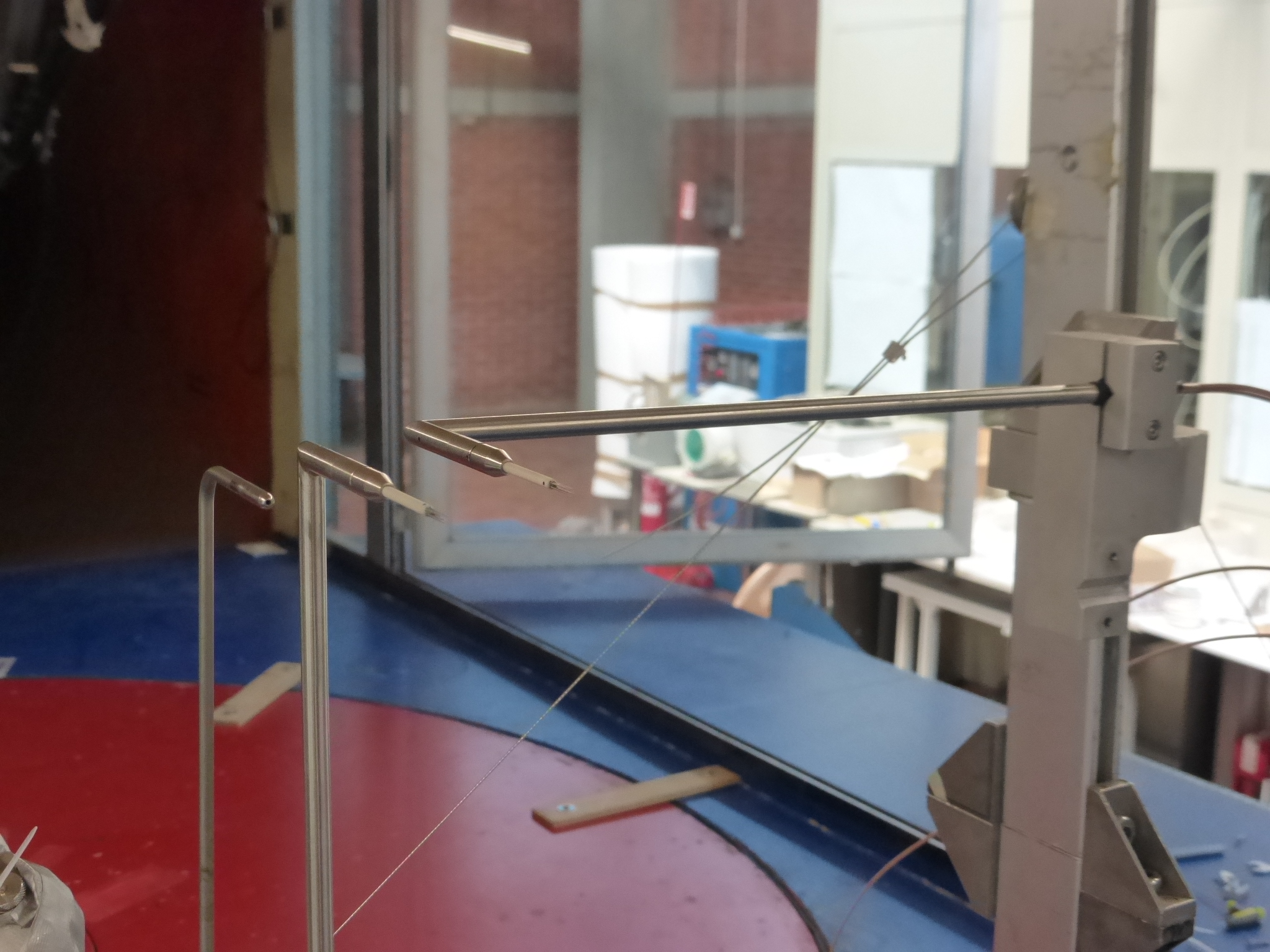
At CRIACIV, flow measurements are routinely performed using a wide range of hot-wire anemometers, including single-wire probes for one-component velocity measurements, cross-wire probes for two-component velocity fields, and triple-wire probes specifically designed for the simultaneous measurement of the three components of the wind velocity vector.
The availability of triple-wire anemometry allows the investigation of complex three-dimensional turbulent flows, where all velocity components and their correlations are of interest. This capability is particularly relevant in highly turbulent flows, separated flows, and in regions affected by strong secondary motions, where simplified measurement approaches may be insufficient.
Single- and multi-wire probes can be mounted in different configurations depending on the experimental requirements, ensuring flexibility and adaptability to a wide range of flow conditions and test objectives.
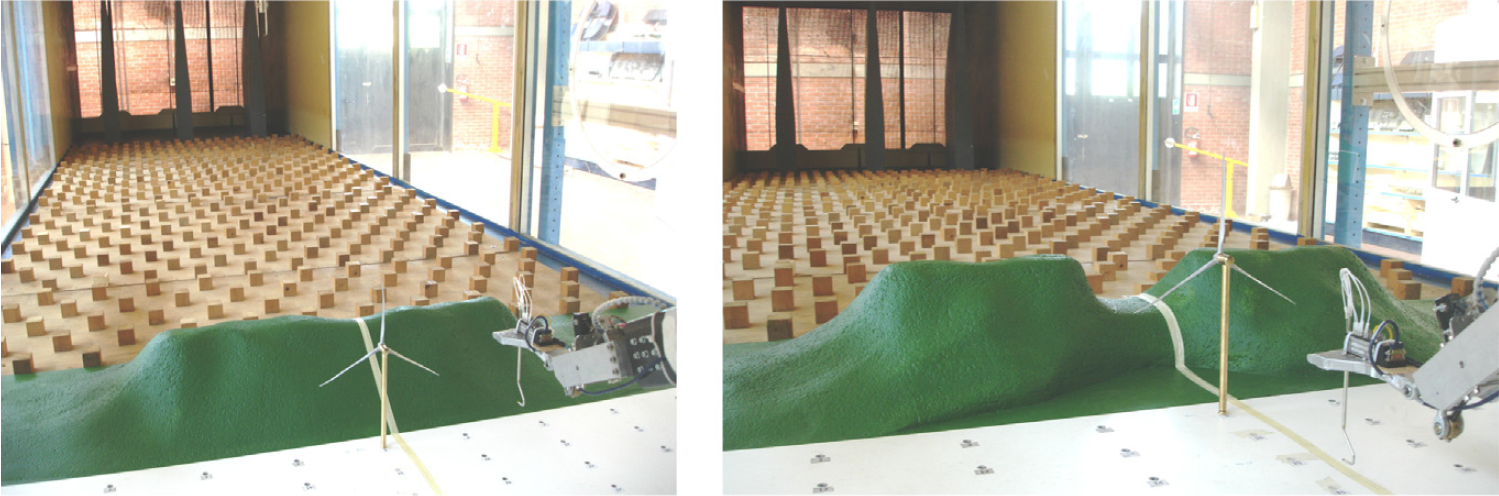
When measurements are required at multiple spatial locations, the probes can be installed on a remotely controlled robotic arm, capable of high-precision positioning with sub-millimetre accuracy. The robotic system allows automated and repeatable measurements along predefined spatial paths and can host up to three probes simultaneously.
In addition to hot-wire probes, the system can accommodate other types of sensors, such as Pitot tubes or pressure probes. The integration of alternative velocity measurement devices, including multi-hole probes (e.g. Cobra probes), is also possible; these instruments are described in detail in a dedicated section of the website.
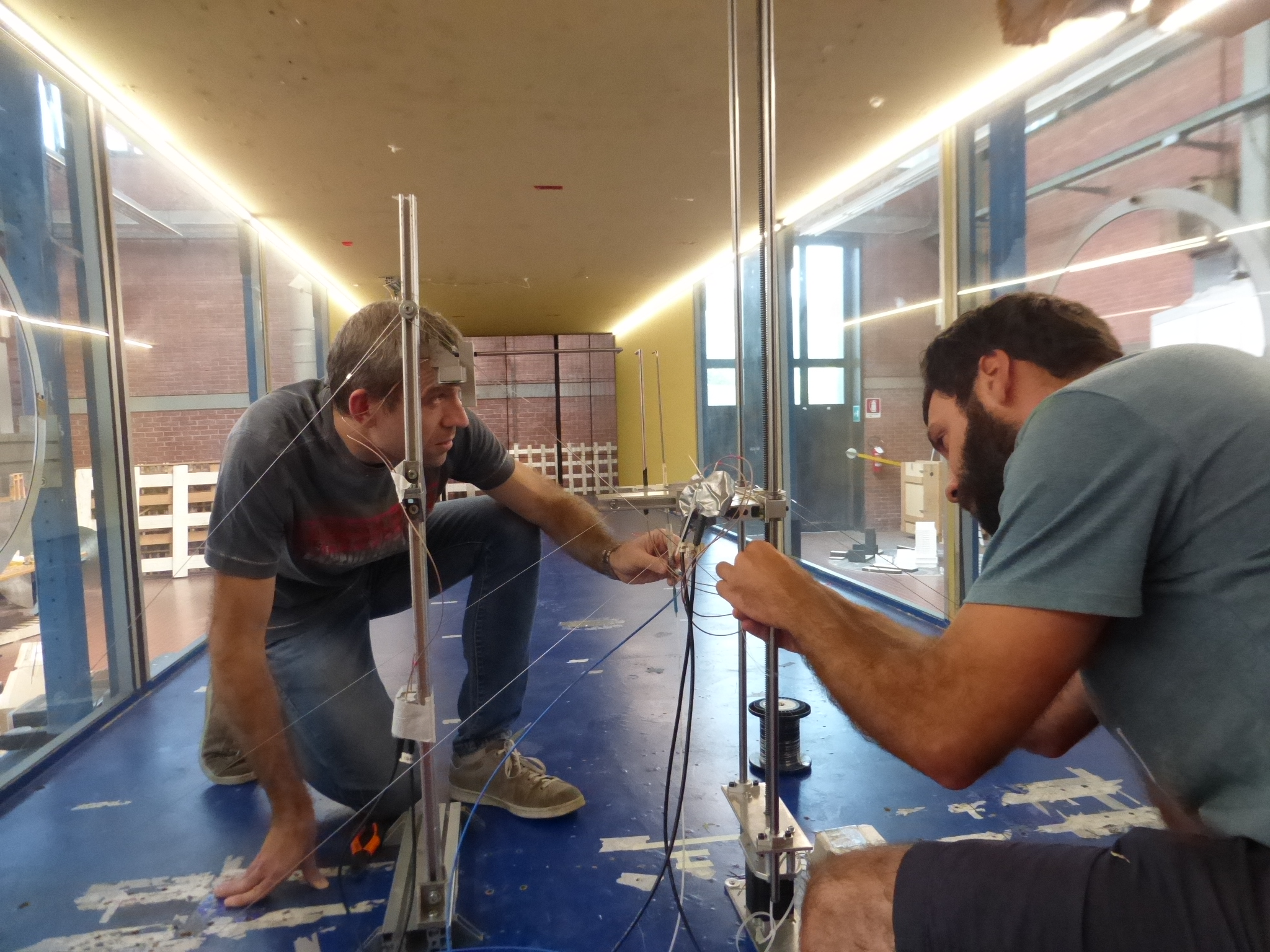
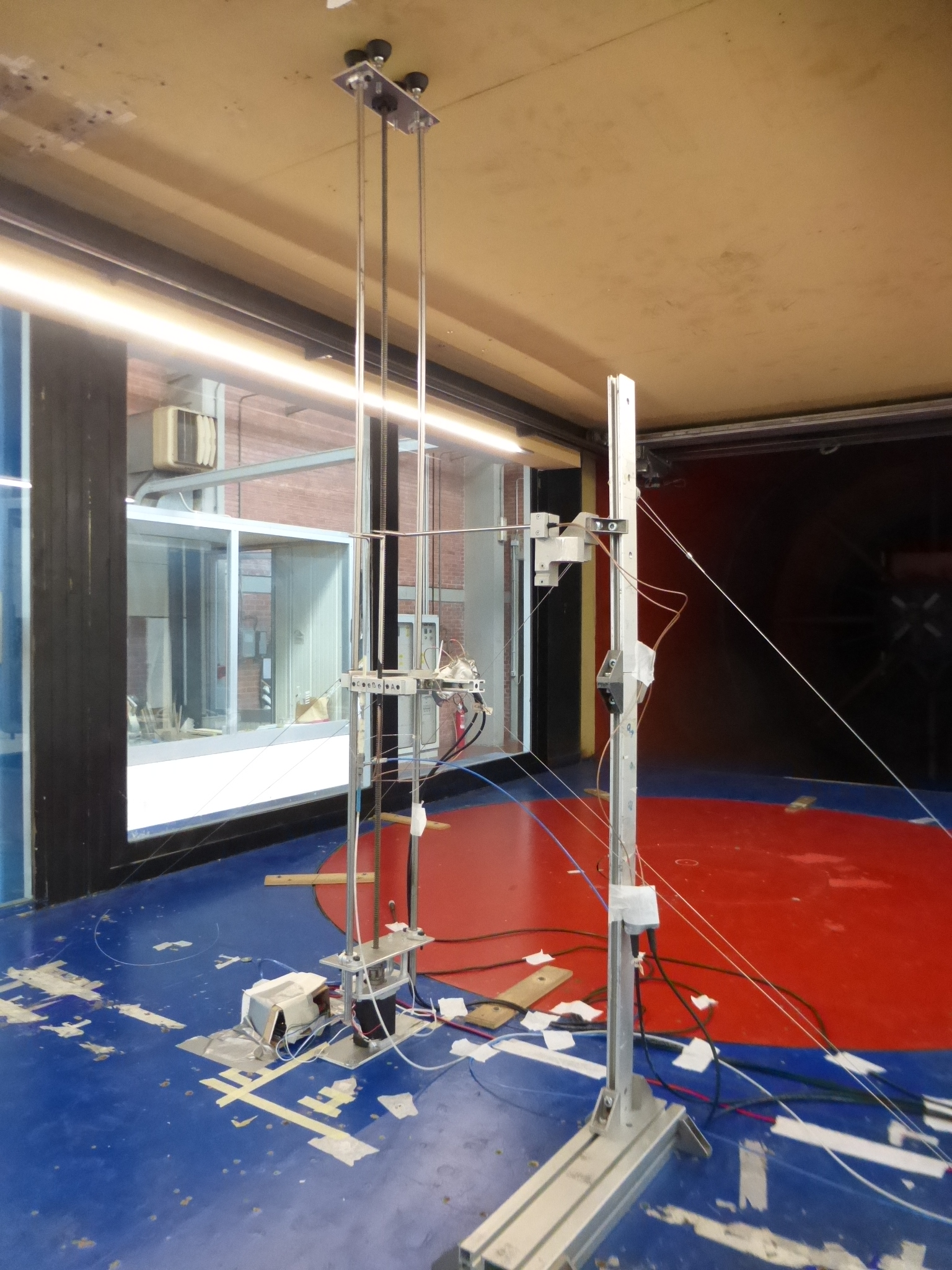
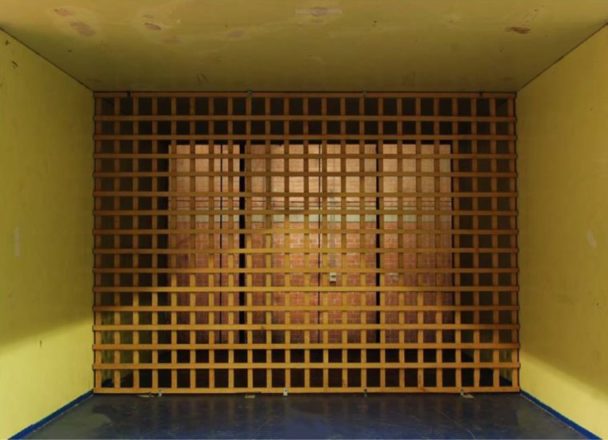
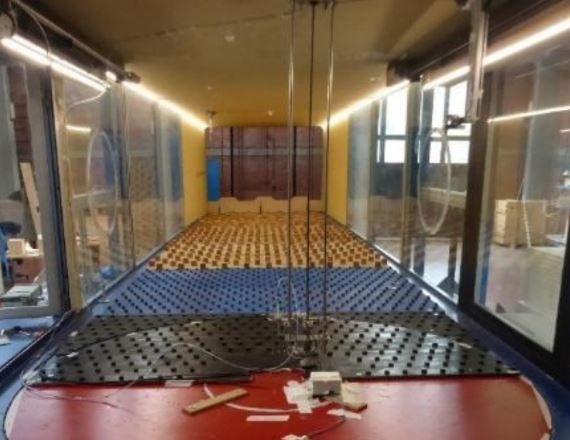
For applications where probe motion is not required, such as internal flow measurements or highly confined test sections, sensors can be rigidly fixed in space. In many other cases, however, systematic spatial surveys are carried out using traversing systems, either in the vertical or horizontal direction. Typical applications include the characterization of boundary-layer profiles in laboratory-scale atmospheric flows and the investigation of homogeneous or quasi-homogeneous turbulence generated by grids.
The calibration of hot-wire probes is performed using a dedicated external calibration system by DANTEC Dynamics. This facility allows accurate velocity calibration as well as angular calibration of cross-wire and triple-wire probes, ensuring reliable measurements of multi-component velocity fields over a wide range of flow directions. Such calibrations are essential for reducing systematic errors and achieving high accuracy in complex three-dimensional flow measurements.